Copper is an essential element in the management and protection of olive trees, thanks to its fungicidal properties and its ability to strengthen the trees against diseases such as peacock spot.
However, determining the most suitable copper dosage for olive trees is not a ‘one-size-fits-all’ task, as it depends on several factors specific to the crop. In this article, we will help you understand how to use this element effectively and sustainably.
Copper: A Protective Shield for Olive Trees
Copper plays an essential role in olive farming, primarily due to its effectiveness as a fungicide. It acts as a protective barrier, preventing the development and spread of fungal diseases that affect the crop.
Why is copper so effective?
- Fungicidal action: Copper interferes with the vital processes of fungi, halting their growth and expansion.
- Broad-spectrum: Its effectiveness against a wide variety of pathogens makes it a versatile resource.
- Persistence: Once applied, copper remains active on the leaves for an extended period, ensuring long-lasting protection.
When and how is it used?
- Key application periods: Treatments are mainly carried out in spring and autumn, when the risk of infection is highest.
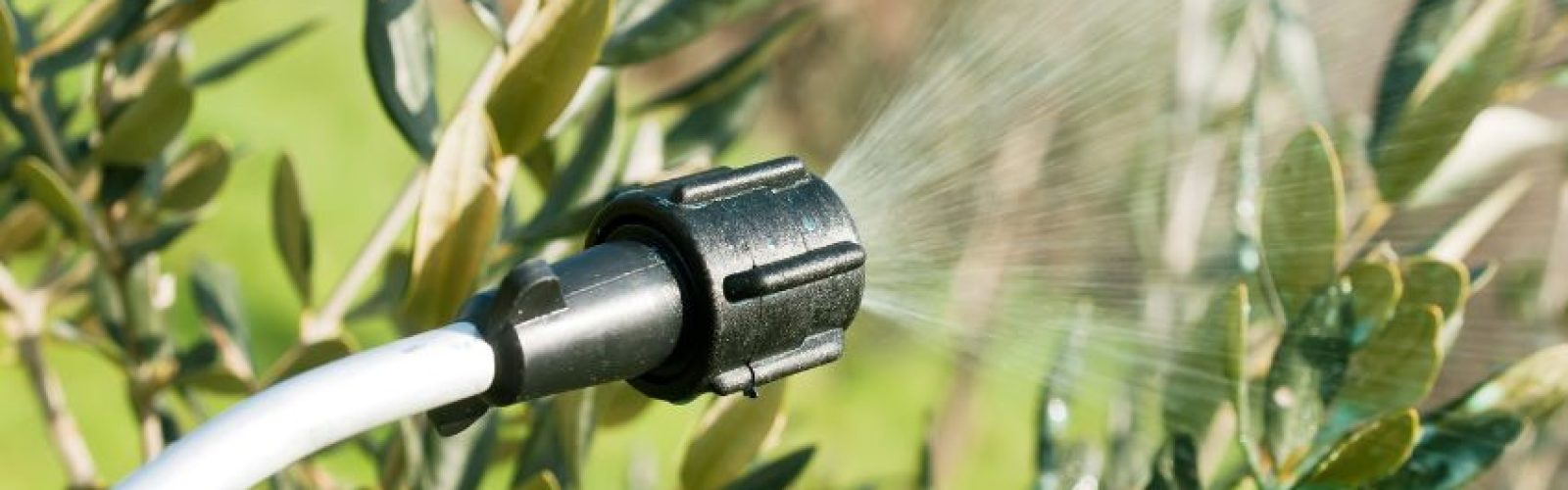
- Method: It is generally applied via foliar treatments that coat the olive leaves with copper-based products.
- Frequency: This depends on weather conditions, the severity of the diseases, and the specific olive variety.
Factors influencing the copper dosage for olive trees
The copper dosage varies depending on factors such as the product used, the development stage of the olive tree, and environmental conditions. Here are the key points:
1. Type of copper-based product
There are different copper formulations, and each has specific concentrations that determine its dosage:
- Chelated copper (5-8% Cu w/w): 150-300 cc/hl via foliar application.
- Copper oxychloride (70% Cu): 200 g/hl via foliar application.
- Copper hydroxide (40% Cu): 2-2.5 kg/ha.
2. Diseases and fungi to be controlled
The severity of the disease influences the amount of copper required. For example, peacock spot requires precise dosages to avoid damaging the tree.
3. Olive variety
Some varieties can be more sensitive to copper treatments, requiring dosage adjustments to prevent phytotoxicity (damage to the plant).
4. Phenological stage of the olive tree
Each stage of the olive cycle has different sensitivity levels to copper:
- Bud break: Increased need for protection against fungi.
- Flowering: High dosages should be avoided to prevent negative effects on fruit set.
5. Weather conditions
Humidity and rainfall can affect the efficacy of copper and its adherence to the leaves. In areas with frequent rain, more regular applications may be necessary.
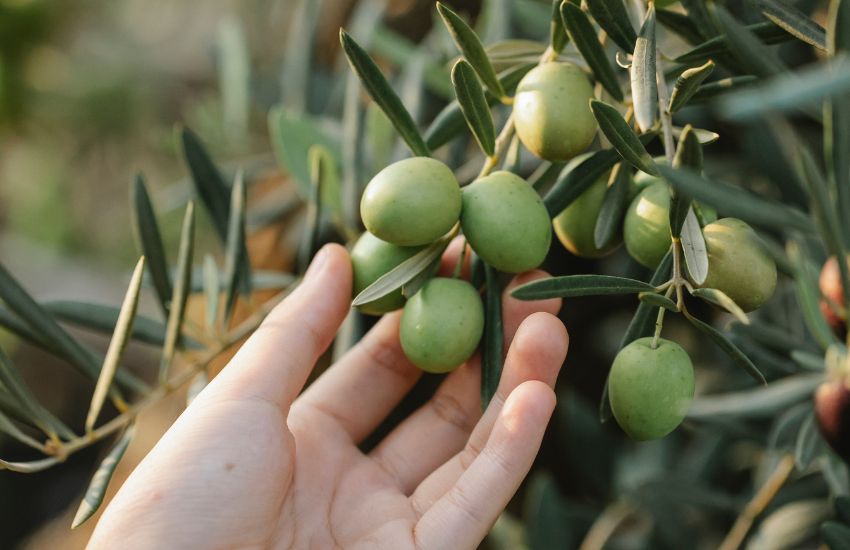
Choosing the right type of copper and dosage based on your needs
Determining the copper dosage for olive trees is not just about following a fixed recipe; it is about balancing fungicidal efficacy with the safety of the tree. The key lies in understanding that each formulation releases the copper ion Cu(II) differently. While some products are designed to withstand weeks of heavy winter rain, others aim for immediate absorption in spring without hindering the growth of tender shoots.
Below, we break down the technical characteristics of each option so you can adjust the treatment according to your grove’s phenology and the forecast weather conditions:
Copper Oxychloride (50% – 70% Cu): The winter standard
Ideal use: Autumn and winter treatments.
Performance: Noted for its very high persistence and resistance to rain wash-off (leaching). It is a medium-release product, ensuring prolonged protection during the wettest months. The risk of phytotoxicity is low.
Copper Hydroxide (35% – 50% Cu): The shock treatment
Ideal use: Immediately after pruning or harvesting.
Performance: Very fast-acting. It releases copper ions immediately to disinfect wounds. It has medium persistence, making it ideal when an urgent response is needed against fungi and bacteria (such as olive knot).
Chelated Copper or Gluconate (5% – 8% Cu): Perfect for budding
Ideal use: Spring and active growth stages (pre-flowering).
Performance: Unlike the previous options, it acts systemically or translaminarly. It penetrates the tissues, does not stain the tree, and carries minimal risk of phytotoxicity. It is the safest choice when the olive tree has very tender shoots.
Tribasic Copper Sulphate (25% Cu): Preventive treatment
Ideal use: General preventive treatments in autumn.
Performance: An evolution of the traditional Bordeaux mixture. It offers excellent adherence and a neutral pH, making it much less aggressive to the leaves than traditional formulas while maintaining good protective coverage.
Cuprous Oxide (75% – 85% Cu): Maximum power for rainy environments
Ideal use: Areas with extreme rainfall or high peacock spot pressure.
Performance: This provides the highest concentration of metallic copper. Its persistence is extreme, but its release is slow. It requires careful dosage management to avoid excessive accumulation in the soil.
Recommendations for responsible copper use
While copper is indispensable, excessive use can have negative consequences for both the olive tree and the environment.
1. Avoid phytotoxicity:
Excess copper can cause leaf scorch, reducing photosynthetic capacity.
2. Prevent fungal resistance:
Continuous use of the same product can encourage resistance. Alternating formulations and combining them with other fungicides is recommended practice.
3. Minimise environmental impact:
Copper can accumulate in the soil, affecting fertility and beneficial organisms. Therefore:
- Apply preventive treatments: Use copper before diseases manifest.
- Observe harvest intervals: Avoid applications just before harvest to prevent residues on the olives.
4. Consult an agricultural technician:
A professional can recommend the most suitable product for your grove’s health.
Tailored solutions and sustainability
The most suitable copper dosage for olive trees depends on a combination of factors including the product type, tree variety, the disease being targeted, and environmental conditions.
To ensure effective and sustainable protection:
- Always follow the manufacturer’s instructions.
- Rotate formulations to prevent resistance.
- Apply responsibly, considering the environmental footprint.
Used correctly, copper is an invaluable tool for maintaining olive health, protecting the crop, and ensuring high-quality production. By investing in the proper management of this element, you are strengthening the foundations of a thriving and sustainable grove.
At AGR by De Prado, our team of olive cultivation experts specialises in preserving tree health and optimising harvests to maximise both the quantity and quality of your olives.